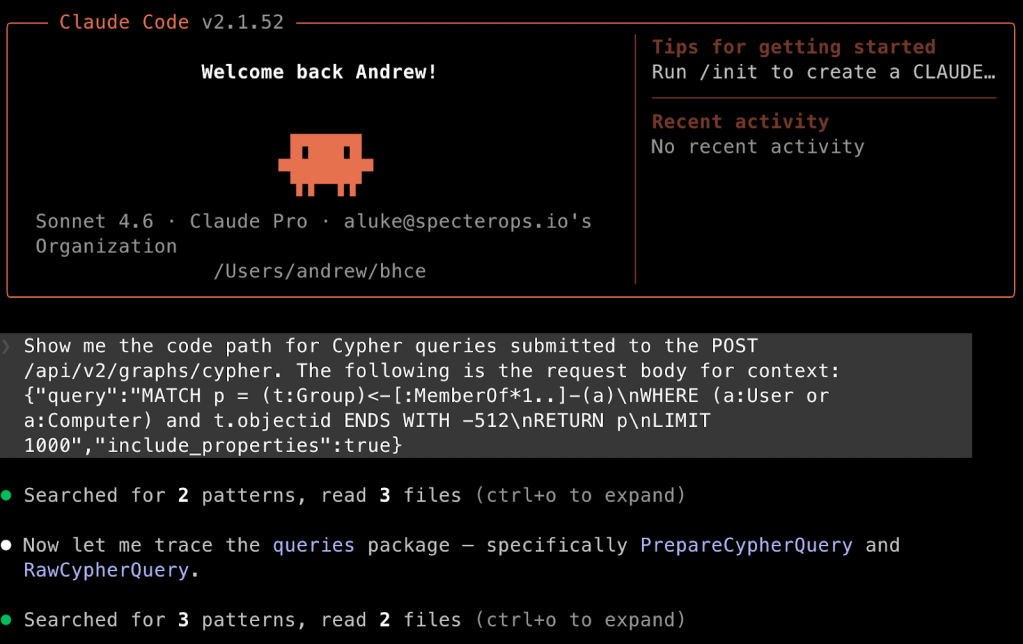
Have you ever stared at a blank IDE and wondered if you are studying a craft that is actively being automated away? It is a valid question. Over the last few quarters, tech titans like Anthropic and OpenAI have been locked in a multi-billion-euro arms race to win the AI race. The result is the release of AI agents like Claude Code or Codex integrated directly into project terminals, capable of understanding context and generating code at an unprecedented speed. Many professionals are now questioning whether it is still necessary to learn programming, or whether it is more worthwhile to pay for SaaS subscriptions instead of developing software independently.
We are officially entering a new paradigm in the software sector, one that has already contributed to some of the largest stock market declines in recent memory. But are we simply witnessing another industry shift that has been overhyped, or have we truly reached a point of no return?
The New Baseline and the Developer Divide
Industry reports show that AI adoption is no longer a futuristic projection. The Stack Overflow 2025 Developer Survey shows that 84% of developers use or plan to use AI tools in their development process. In addition, daily AI users merge approximately 60% more pull requests than occasional users. Along these lines, the JetBrains State of Developer Ecosystem 2025 study reports 85% regular AI usage, reinforcing the same adoption pattern. This leads us to the conclusion that only a small number of developers choose not to use AI in their workflows, causing their productivity to decline compared to those who do.
Furthermore, there is a clear inequality regarding who is being primarily harmed and who is benefiting from this revolution. Junior roles with less experience, who traditionally performed more mechanical and repetitive tasks, are the most negatively affected because these types of tasks have been automated and no longer require human involvement in their execution.
Nevertheless, the opposite is true for senior profiles. They are the ones profiting the most from this paradigm shift because they can now use AI to delegate tasks that previously consumed a significant amount of their time, allowing them to focus primarily on product, business, and architectural decisions. This can be observed in the Stanford HAI 2026 AI Index, which shows that employment for software developers between the ages of 22 and 25 has fallen by 20% since its peak in late 2022, while the hiring of senior professionals between the ages of 35 and 49 in those same companies has increased between 6% and 12%.
The Hidden Cost of Autonomous Agents
On the other hand, some argue that these data reflect just another transformation similar to others that have occurred in the past. A clear example of this would be the cloud revolution of 2010, which was predicted to make many startup developers obsolete. However, the opposite happened: the number of developers increased globally because it became cheaper and easier to create software, while at the same time a greater number of engineers were needed to manage infrastructure and integrations.
Moreover, it is also argued that the constant use of autonomous agents for code development is giving rise to new problems that are not being properly addressed. When an agent generates 500 lines of code within seconds, a human is often unable to fully understand the underlying logic. If a bug appears in production, an engineer may require considerably more time to solve the issue in code that they did not write themselves.
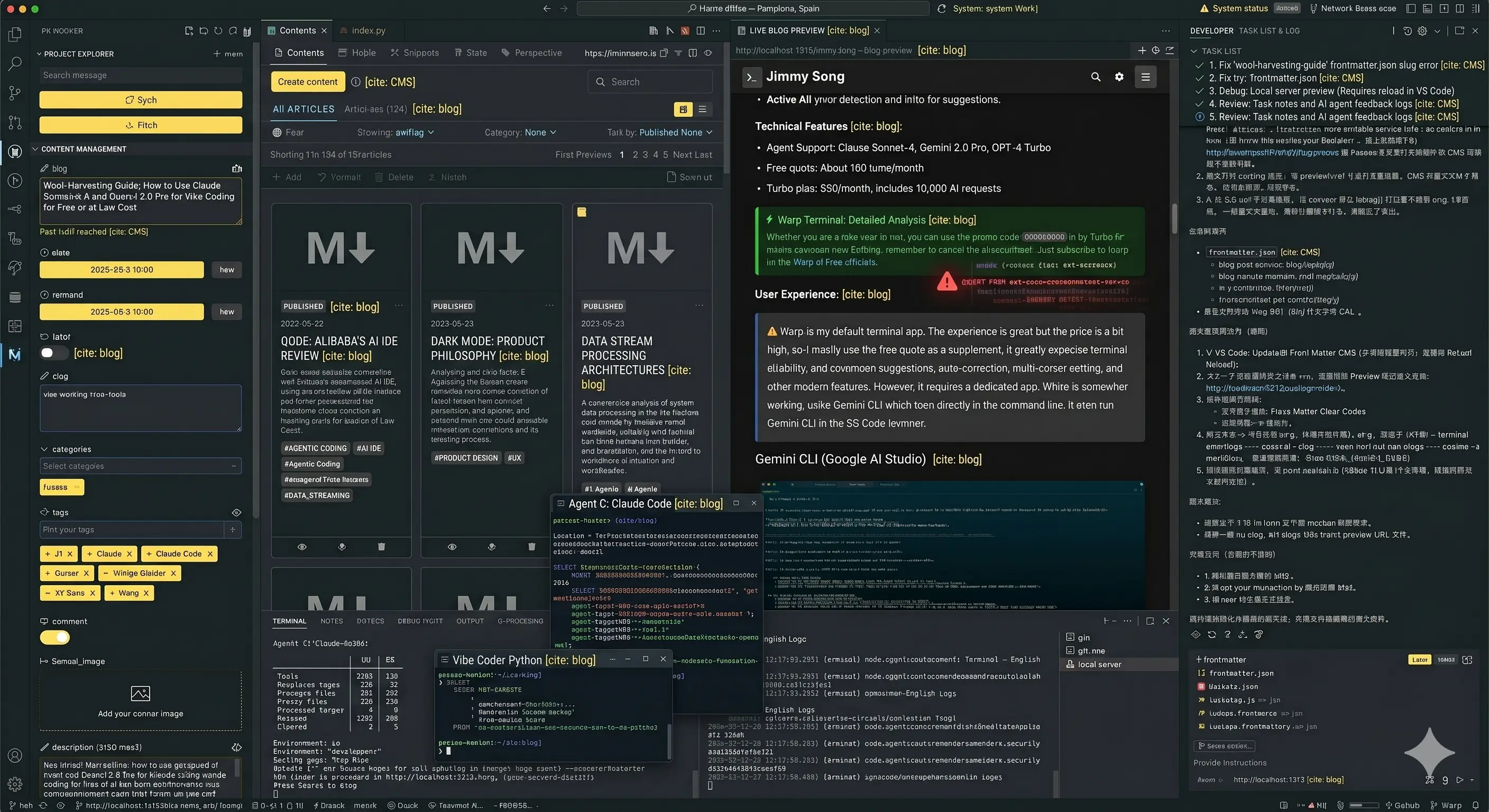
Besides, agents tend to generate code that works, rather than code that is clean and maintainable. This can lead to duplication, since an agent may not recognise that a similar function already exists in another folder. Another potential issue is that working with multiple agents simultaneously and in parallel can produce chain reactions and inconsistencies: while agent A is refactoring the database, agent B may be creating SQL queries based on the previous schema.
Finally, there is the issue that concerns companies the most: data security and privacy. By using agents directly integrated into the terminal, there is a risk of information leaks, exposed keys, or even the injection of vulnerabilities caused by selecting outdated code from the internet that relies on obsolete libraries.
Beyond the Terminal
In conclusion, in just a few months software development has evolved from entirely manual coding to what is now referred to as vibe coding, creating code using only natural language, and further toward agent engineering, where autonomous systems are orchestrated through their own logic, roles, and dependencies. This shift has occurred even though technology companies are releasing new models gradually and strategically, not due to technical limitations, but because their clients are ultimately businesses that require time to absorb each technological leap and integrate it effectively into their workflows.
We are currently in an experimental phase in which companies are constantly testing and redefining how to build their agent systems in order to ensure robustness. This enables them to control and resolve the issues these systems create, such as technical debt, inconsistencies between agents, or security concerns. The key lies not only in adopting these tools, but also in designing systems capable of detecting and correcting such failures. Unsupervised autonomy is a debt deferred over time, rather than a definitive solution.
My own stance on the matter is this: the professional who will succeed is not the one who can write the most code, but the one who knows what to build, why, and how to communicate it effectively. Soft skills, business acumen, and sales capabilities will take centre stage. A purely technical individual without business or product awareness will become increasingly replaceable. The person who combines both worlds, understanding both technology and business, is the one who will capture the true value of this transition.